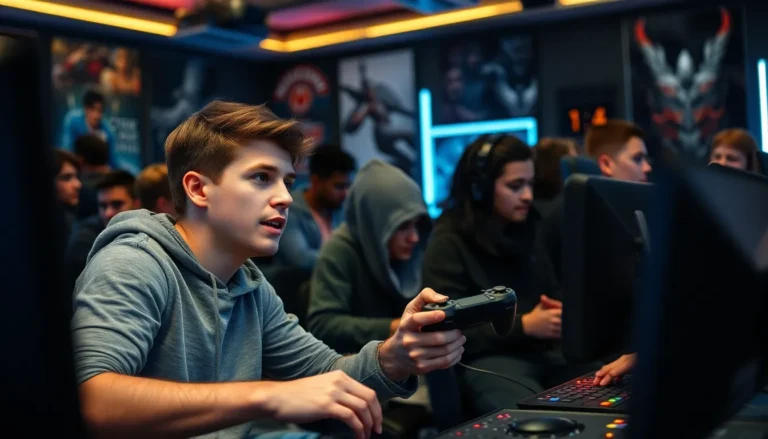

In a world where robots are no longer just the stuff of sci-fi movies, FIRST Robotics is leading the charge to turn dreams into reality. Imagine a place where high school students don’t just learn about science and technology—they get to build their own robots and compete against others. Sounds like a scene straight out of a nerdy blockbuster, right? Well, it’s happening, and it’s as thrilling as it sounds.
Overview of First Robotics
FIRST Robotics offers high school students unique opportunities to engage in STEM education through hands-on robot-building experiences. Teams consist of students who collaborate to design, build, and program robots for various competitions. Participants gain skills not only in engineering but also in teamwork, strategic thinking, and problem-solving.
Competition formats vary each season, with challenges requiring teams to create robots that can complete specific tasks. Students often work under tight deadlines, simulating real-world engineering projects. The excitement of competition encourages innovation, as teams often implement creative designs to outmaneuver their opponents.
Support from mentors enhances the learning process. Many teams partner with local businesses and engineers, providing students with insights into the industry. Access to resources like tools and workshops further enriches the educational experience.
FIRST Robotics also emphasizes core values such as gracious professionalism and teamwork. These principles foster a culture of respect and collaboration among teams. Students learn the importance of helping each other, both on and off the field.
Scholarships and internship opportunities arise from involvement in FIRST Robotics, enhancing career prospects for high school participants. Many universities recognize the program’s impact, offering financial aid to students who demonstrate commitment and achievement in robotics.
Overall, FIRST Robotics cultivates a passion for science and technology. Participants emerge with enhanced skills and newfound confidence, prepared to tackle future challenges in their academic and professional journeys.
History of First Robotics
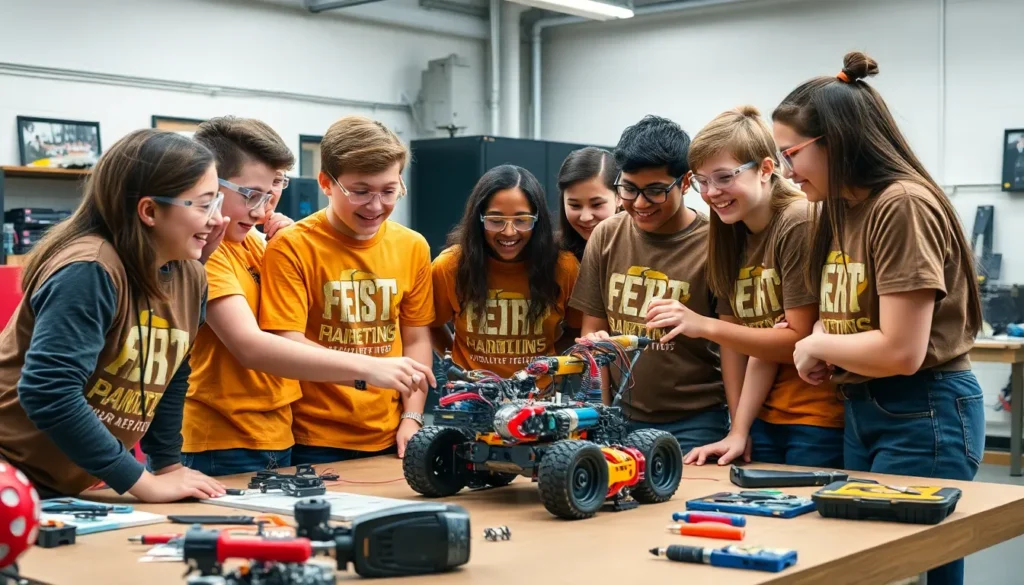
FIRST Robotics has a rich history, dating back to its founding in 1989. This organization has significantly shaped STEM education by providing hands-on experiences in robotics for high school students.
Founding and Evolution
Dean Kamen founded FIRST (For Inspiration and Recognition of Science and Technology) to inspire youths in science and technology fields. Initially, the program began with just 28 teams participating in its first competition. Over the years, the initiative expanded globally, engaging thousands of teams across multiple countries. Local communities became integral to the organization, fostering relationships between students and mentors. Mentorship programs evolved, allowing professionals in engineering and technology to guide participants. By promoting creativity and innovation, FIRST Robotics continuously adapts to modern educational needs while maintaining its core mission.
Key Milestones
Several key milestones have marked the progress of FIRST Robotics. In 1992, the organization introduced the FIRST Robotics Competition, creating a competitive arena for students. The introduction of the FIRST Tech Challenge in 2005 broadened access, enabling more teams to participate with smaller robots. In 2015, FIRST expanded its international presence with the creation of the World Championship, bringing together teams from around the globe. Scholarships awarded by various institutions underscore the program’s commitment to supporting participants’ educational journeys. Recent adaptations to remote competitions demonstrate FIRST’s resilience and flexibility, ensuring continuous engagement during challenging times.
Benefits of First Robotics
FIRST Robotics offers numerous advantages that significantly impact student development and community involvement. Engaging in hands-on learning experiences prepares students for future challenges in science and technology.
Skill Development
Participants in FIRST Robotics gain essential skills directly relevant to STEM careers. Engineering principles, programming languages, and design thinking become second nature as they work on robotics projects. Teams foster problem-solving abilities through real-world challenges, enhancing critical thinking. Collaboration among team members builds communication skills, which are crucial in any career. Time management skills improve as they meet tight deadlines, simulating industry pressures. Overall, skill development through FIRST Robotics equips students for academic and professional success.
Community Engagement
FIRST Robotics cultivates strong community ties and mentorship opportunities. Local businesses often sponsor teams, providing resources and expertise that enhance learning. Collaboration with engineers creates pathways for students to explore careers in technology. Community events, such as robot demonstrations, engage the public, raising awareness of STEM fields. Parents, educators, and volunteers contribute to a supportive network that fosters growth. Students also build friendships that last beyond competitions, reinforcing a sense of belonging. Engaging with the community enriches the overall experience and promotes a shared passion for science and technology.
Competition Structure
FIRST Robotics features a well-organized competition structure that promotes teamwork and innovation. Various elements enhance participants’ experiences, providing valuable insights into real-world engineering challenges.
Team Dynamics
Teams typically consist of student members, mentors, and advisors. Collaboration among team members strengthens communication and problem-solving skills. Students often rotate through various roles, gaining hands-on experience with engineering, programming, and design. Mentorship plays a vital role, as experienced engineers guide students through complex challenges. This collaborative environment nurtures a sense of community and encourages creativity among participants.
Event Formats
FIRST Robotics competitions adopt multiple formats to engage diverse teams. The traditional championship includes qualification matches, leading to playoffs. On the other hand, some events utilize a series of rounds where teams earn points through performance metrics. Each format emphasizes strategic planning and adaptation, pushing participants to innovate under pressure. Competitions often take place in large arenas, allowing teams to showcase their robots in front of enthusiastic crowds. Engaging audiences creates a vibrant atmosphere, fostering a spirit of friendly competition.
First Robotics Programs
FIRST Robotics offers a range of programs designed to engage students in STEM learning through hands-on robotics experiences. Each program provides unique opportunities for skill development and competition.
FIRST Robotics Competition
The FIRST Robotics Competition (FRC) engages high school students in designing and building robots for competitive challenges. Teams of students, mentors, and engineers work together over several weeks to construct robots that perform specific tasks on a game field. In 2023, over 4,000 teams participated, emphasizing collaboration and strategic thinking. Events feature a series of qualification matches, followed by eliminations, showcasing innovative designs and team strategies. FRC promotes engineering knowledge, software skills, and effective communication through collaboration. Participants gain real-world experience while developing professionally relevant skills and a passion for engineering.
FIRST Tech Challenge
The FIRST Tech Challenge (FTC) caters to middle and high school students, focusing on smaller robot designs and versatility. Teams compete using robots built from modular parts, allowing for flexibility and creativity in design. Participants program bots to navigate obstacles and perform specific tasks, using widely recognized programming languages like Java. In recent years, FTC has seen significant growth, with approximately 5,000 teams participating globally in 2023. The competition encourages teamwork and problem-solving, fostering an appreciation for engineering principles. By working on diverse projects, students sharpen their critical thinking abilities and build confidence in their technical skills.
FIRST Robotics stands as a transformative force in education. By bridging the gap between theoretical knowledge and practical application, it empowers students to explore their interests in science and technology. The hands-on experiences gained through building and competing with robots not only develop essential skills but also foster a sense of community and collaboration.
The program’s emphasis on mentorship and real-world challenges prepares participants for future careers in STEM fields. As FIRST Robotics continues to grow and adapt, it remains committed to inspiring the next generation of innovators and problem solvers. Engaging in this dynamic environment opens doors to opportunities that extend far beyond the competition arena.