

In a world where robots flip burgers and vacuum floors, the role of a robotics engineer has never been more exciting—or essential. These tech-savvy wizards blend creativity with engineering prowess, crafting machines that can do everything from assembling cars to performing delicate surgeries. If you’ve ever dreamed of building a robot that could finally take over your chores, this is the career path for you.
Overview Of Robotics Engineering
Robotics engineering focuses on the design, development, and application of robots. This field integrates mechanical engineering, electrical engineering, and computer science to create machines that enhance human capabilities.
Definition Of A Robotics Engineer
A robotics engineer designs and builds robots for various applications. This role involves programming, testing, and ensuring that robots function correctly. Skills in coding, electronics, and mechanical principles are crucial for solving complex problems. Robotics engineers work on projects ranging from manufacturing systems to autonomous vehicles, emphasizing innovation and technical expertise.
Importance In Modern Technology
Robotics engineers play a critical role in the advancement of technology. Their work significantly improves efficiency and productivity in industries, such as healthcare and manufacturing. Automation of repetitive tasks increases precision and reduces human error. As global demand for robots rises, these engineers drive developments in artificial intelligence and machine learning. Their contributions enhance safety and open new possibilities across sectors.
Skills Required To Become A Robotics Engineer
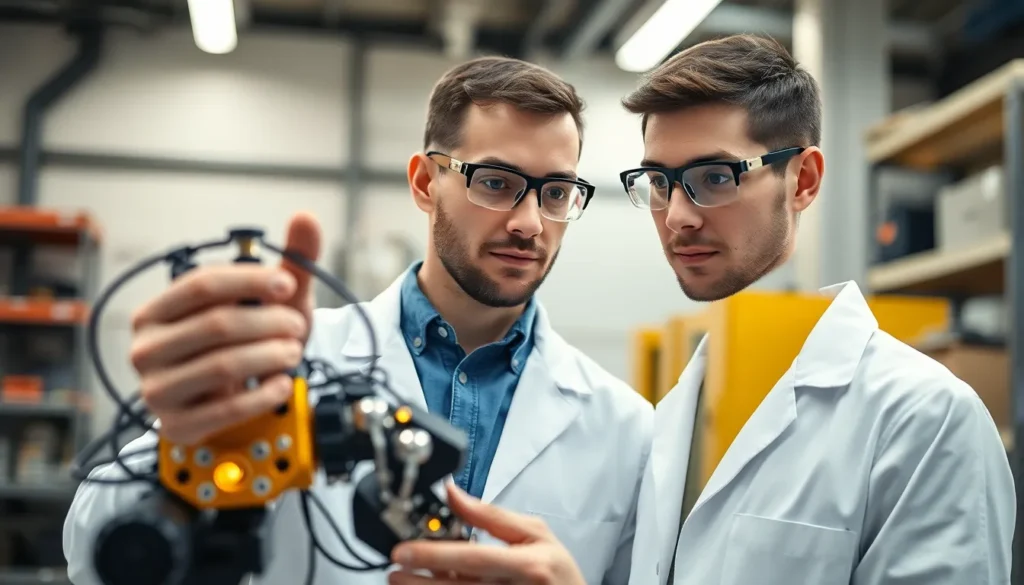
A strong skill set is vital for success as a robotics engineer. Mastery in specific areas enhances capability in developing innovative robotic solutions.
Educational Background
A bachelor’s degree in robotics, mechanical engineering, electrical engineering, or computer science serves as a foundation for aspiring robotics engineers. Graduate degrees further develop expertise, while internships provide hands-on experience. Courses in mathematics, physics, and programming languages like C++ or Python strengthen analytical skills. Additional certifications in specialized fields such as artificial intelligence can enhance job prospects.
Technical Skills
Proficiency in programming languages is essential for controlling robots effectively. Familiarity with software such as ROS (Robot Operating System) aids in developing applications. Knowledge of hardware design principles contributes to creating robust robotic systems. Understanding control systems ensures precision in operation, while skills in electronics and sensors optimize performance. Experience with data analysis and machine learning increases the ability to innovate in automation.
Soft Skills
Effective communication skills enable robotics engineers to collaborate with interdisciplinary teams. Problem-solving skills are crucial for addressing complex technical challenges. Creativity allows for the development of innovative solutions to improve robotic functionality. Adaptability ensures engineers can respond to rapid technological changes. Strong project management skills help in organizing tasks and meeting deadlines efficiently.
Career Opportunities For Robotics Engineers
Robotics engineers face an array of career opportunities across diverse industries. Their skills are highly sought after, especially as automation becomes increasingly integral to various sectors.
Industries Employing Robotics Engineers
Manufacturing leads the charge for robotics engineering careers, with robots enhancing production efficiency. Healthcare also employs robotics engineers to design surgical robots and assistive devices. In agriculture, automation improves crop management and harvesting processes. Transportation increasingly adopts robotics solutions for autonomous vehicles. Aerospace benefits from robotics engineers who develop drones and robotic systems for exploration. Moreover, the entertainment industry utilizes robotics for animatronics and special effects, bolstering creativity in film and gaming.
Job Roles And Responsibilities
Robotics engineers engage in numerous roles focused on robot design and development. They conduct research to advance robotic technologies and design prototypes for testing. Programming robots involves writing code and developing algorithms to optimize performance. Engineers often collaborate with interdisciplinary teams to tackle challenges and refine robotic solutions. Testing is a crucial responsibility, ensuring systems operate safely and effectively. Additionally, some engineers manage projects, coordinating timelines and resources to meet objectives. Continuous learning about advancements in robotics technology remains essential for staying competitive in the field.
Future Trends In Robotics Engineering
Innovations in robotics are reshaping industries. Advanced materials, such as lightweight alloys and flexible electronics, enhance robot design and functionality. Additionally, collaborative robots, or cobots, work alongside humans, increasing efficiency in workplaces. 3D printing significantly reduces production time for complex components, allowing for rapid prototyping and customization. Drones perform tasks in agriculture, surveillance, and logistics, showcasing versatility. Furthermore, exoskeletons assist individuals with mobility challenges, providing life-changing benefits.
Artificial intelligence greatly influences the future of robotics. Machine learning algorithms enable robots to adapt and improve through experience. Real-time data processing allows robots to make informed decisions in dynamic environments. Natural language processing enhances human-robot interaction, making communication more intuitive. Self-driving vehicles exemplify AI’s impact on automation, transforming transportation. Predictive maintenance systems prevent robot malfunctions, saving costs and improving productivity. As AI capabilities continue to expand, robotics engineering stands at the forefront of innovation.
Robotics engineering stands as a pivotal profession in today’s fast-evolving technological landscape. With the ability to create machines that enhance efficiency and precision across numerous industries, robotics engineers are shaping the future. Their unique blend of technical and soft skills enables them to tackle complex challenges while fostering innovation.
As advancements in artificial intelligence and robotics continue to unfold, the demand for skilled robotics engineers will only grow. This field offers exciting opportunities for those passionate about technology and creativity. Embracing a career in robotics engineering not only promises personal fulfillment but also contributes to transformative changes in society.