

Ever find yourself staring at your iPhone, wondering where all that storage went? It’s like a digital black hole, sucking up precious space with every app update and photo snap. But fear not! Emptying the trash on your iPhone is easier than finding a cat video on the internet.
Understanding iPhone Trash
iPhone trash refers to temporary storage that holds deleted files and media. This feature allows users to recover items before permanent deletion, providing a safety net against accidental removals. Different types of apps manage trash differently. For instance, photo apps keep deleted images in a folder for 30 days before auto-deleting them.
Photos and videos occupy significant storage space. When removing excess content, users often overlook the importance of emptying the trash. Emptying the trash ensures that storage is fully optimized for new data. To efficiently manage storage, users should regularly check and empty their trash sections.
Certain apps, like Mail and Notes, also contain recyclable content. Emails deleted from the inbox remain in the “Trash” folder until they are deliberately removed. Similarly, notes placed in the trash are recoverable but won’t free up space until emptied.
Users must remember that emptying trash varies by app. For photos, accessing the “Recently Deleted” folder grants the choice to delete permanently. In Mail, the “Trash” folder can be emptied through the interface settings. Understanding how individual apps function is key to maintaining optimal storage levels.
Overall, consistent management of trash plays a crucial role in enhancing iPhone performance. Taking the time to periodically check storage and delete unnecessary files leads to smoother device operation. Users should prioritize emptying trash sections regularly to keep their devices efficient.
Steps to Empty the Trash
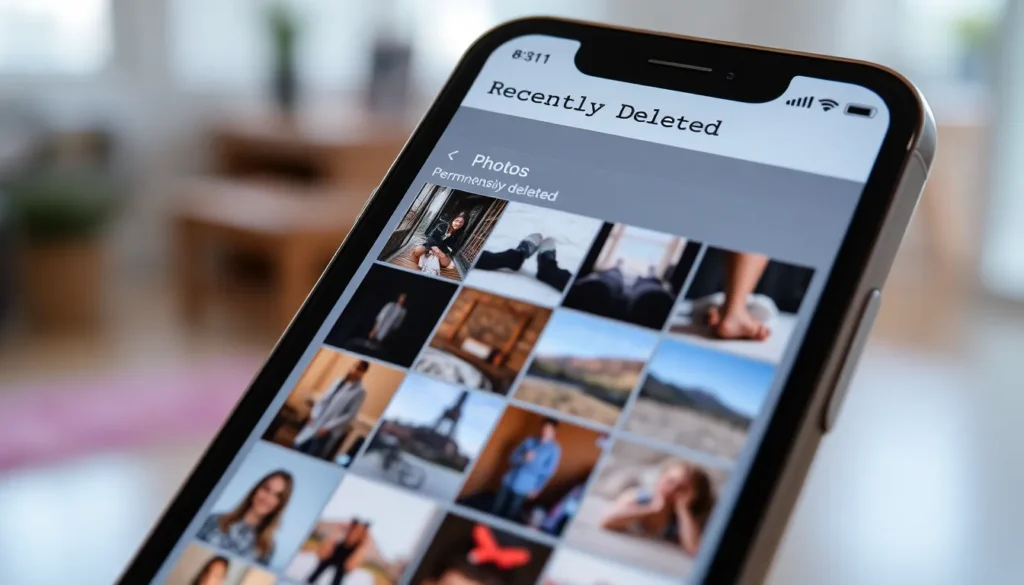
Emptying the trash on an iPhone helps reclaim valuable storage space. Users can follow a few straightforward steps to ensure a clean device.
Accessing the Trash
To access the trash, open the app associated with the deleted items, such as Photos or Mail. Each app has a designated trash folder where deleted items are temporarily stored. For instance, in the Photos app, tap “Albums,” scroll to “Recently Deleted,” and select it. Mail users should look for the “Trash” folder in their email list. Navigating through these folders reveals items ready for permanent deletion. Remember, different apps provide varying durations for which deleted items remain accessible; knowing this ensures timely management.
Deleting Items
Deleting items from the trash can be quick and simple. In the Photos app, users should select “Recently Deleted,” choose the items they wish to remove, and tap “Delete All” to clear the folder. Mail users must enter the trash folder, select the messages they want to delete, and tap “Delete.” Notes and other apps contain similar options; users must locate their respective trash, select items, and confirm deletion. It’s essential to check these areas regularly, as it significantly impacts available storage. Frequent maintenance boosts device speed and performance.
Tips for Managing Trash
Regular management of the iPhone trash keeps storage optimized. Maintaining a routine schedule for emptying trash folders prevents unnecessary accumulation of deleted items. Checking app-specific trash, like photos or emails, should occur at least once a month. This proactive approach significantly enhances overall device performance.
Utilizing storage settings on the iPhone allows users to monitor space effectively. Accessing storage settings reveals how much space each app consumes, guiding users in deletion decisions. Deleting unused apps can free significant space quickly. Activating the “Offload Unused Apps” feature offers automatic management for users. This feature retains app data while deleting the app itself, further optimizing storage without losing important information.
Emptying the trash on an iPhone is a vital step in maintaining optimal storage and performance. By regularly checking and clearing out app-specific trash folders users can reclaim valuable space and improve device speed. Implementing a routine schedule for this task helps prevent the unnecessary accumulation of deleted items.
Utilizing the storage settings allows users to monitor app space consumption effectively. By staying proactive in managing trash and utilizing features like “Offload Unused Apps” users can ensure their iPhones run smoothly and efficiently. With these practices in place users can enjoy a clutter-free digital experience.