
In a world where convenience reigns supreme, serve robotics are stepping in to save the day—one delivery at a time. Imagine a future where your favorite snacks arrive at your doorstep without the hassle of human interaction. That’s right! These clever little bots are here to make life easier, and they’re not just for sci-fi movies anymore.
Overview of Serve Robotics
Serve robotics represents an innovative shift in consumer convenience. These robots operate primarily in urban environments, delivering food and other small items directly to customers. Designed with precision sensors and advanced navigation systems, they navigate sidewalks and traffic safely.
Users appreciate the efficiency these robots bring. Many businesses collaborate with serve robotics companies to enhance delivery services. By automating deliveries, companies can cut costs and improve service speed. This trend reflects the demand for faster, contactless solutions, especially in urban settings.
Notably, various models exist under the serve robotics category. Different types of robots cater to specific needs, from food delivery to package distribution. Each model incorporates features like temperature control for food preservation and user-friendly interfaces for tracking deliveries in real time.
Investments in serve robotics are increasing, driven by a growing interest in automation. Companies prioritizing technological advancement enhance operational capabilities. The market shows significant potential; estimates indicate the global robotics market size could reach $100 billion by 2025.
The societal impact of serve robotics is substantial. Enhanced convenience reduces reliance on traditional delivery methods, improving overall consumer experience. As these robots become more integrated into daily life, their presence will likely spur further technological innovations in logistics and automation sectors.
Technology Behind Serve Robotics
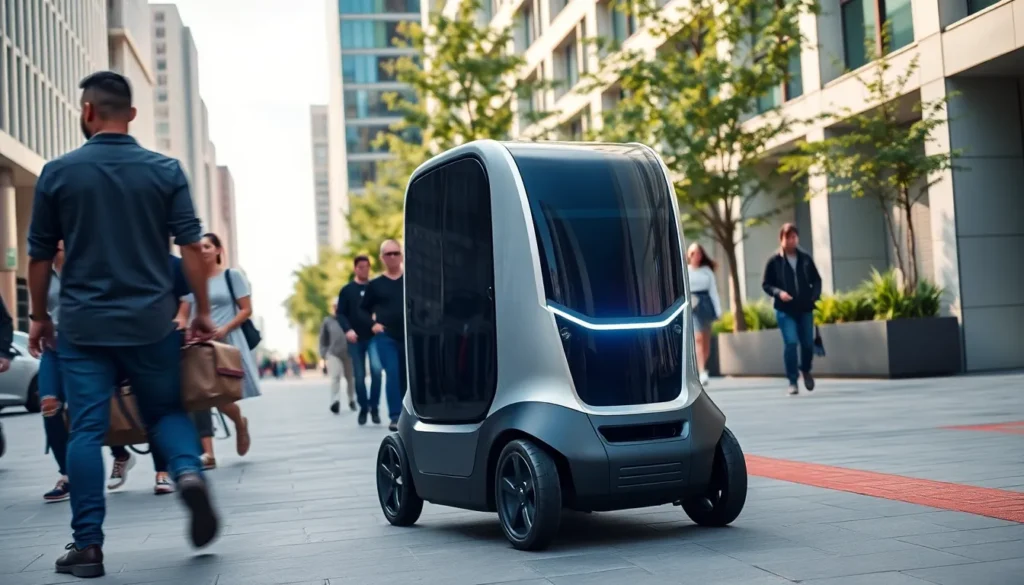
Serve robotics relies on advanced technology to facilitate efficient, autonomous deliveries. This technology includes sophisticated navigation systems and AI algorithms designed for optimal performance in urban environments.
Autonomous Navigation
Autonomous navigation enables serve robots to move safely and efficiently through complex environments. These robots utilize a combination of cameras, LIDAR, and GPS to map surroundings. Sensors detect obstacles, adjust routes, and ensure safety while navigating sidewalks and streets. Safety features allow these robots to react in real-time to dynamic changes in their environment, making them reliable delivery partners. They operate with precision, maintaining a consistent speed and carefully maneuvering around pedestrians and other obstacles.
AI Algorithms
AI algorithms play a crucial role in the functionality and efficiency of serve robotics. These algorithms analyze various data inputs, allowing robots to make informed decisions. Machine learning techniques enable robots to optimize delivery routes based on traffic conditions and environmental factors. Real-time data processing enhances their ability to learn from past deliveries, improving performance over time. By continuously adapting, serve robots provide faster, more efficient delivery services that meet consumer expectations in convenience and speed.
Applications of Serve Robotics
Serve robotics transforms various sectors by enhancing efficiency and convenience in service delivery. These robots significantly impact food delivery services and last-mile logistics.
Food Delivery Services
Food delivery services increasingly rely on serve robotics to streamline operations. Robots equipped with insulated compartments transport meals directly to customers, maintaining optimal temperatures. Many restaurants and delivery platforms integrate these robots to minimize wait times, enhancing customer satisfaction. Secure delivery mechanisms allow safe handling of food items, reducing risks of spillage or contamination. Real-time tracking features provide users with accurate updates on delivery status, promoting transparency. Companies like DoorDash utilize robots in urban areas, demonstrating the growing acceptance of this technology in everyday service.
Last-Mile Logistics
Last-mile logistics benefit greatly from serve robotics, addressing the challenges of urban deliveries. Automated delivery systems reduce human labor costs while increasing delivery speed. Robots possess advanced navigation capabilities, allowing them to navigate sidewalks and traffic seamlessly. Businesses leverage these efficiencies to optimize delivery routes and cut operational expenses. By employing serve robotics, logistics companies enhance their service offerings, meeting consumer demands for quicker and contactless options. They play a crucial role in reducing traffic congestion, contributing to more sustainable urban environments.
Benefits of Serve Robotics
Serve robotics boasts numerous advantages that enhance both operational efficiency and customer satisfaction.
Cost Efficiency
Cost efficiency represents a significant benefit of serve robotics. Businesses can reduce labor costs through automation, allowing for reallocation of resources to other critical areas. Streamlining delivery processes leads to substantial savings on vehicle maintenance and fuel. Many companies report a decrease in delivery times, allowing them to serve more customers simultaneously. The global robotics market shows projections of reaching $100 billion by 2025, reflecting increasing investments in technologies that enhance cost effectiveness. These savings enable businesses to reinvest in innovation and improve service offerings, ultimately fostering competitiveness in an ever-evolving market.
Enhanced Customer Experience
Enhanced customer experience stands out as a core advantage of implementing serve robotics. By utilizing robots for deliveries, customers enjoy quicker services without the hassle of human interaction. Users appreciate features like real-time tracking, which allows them to monitor delivery progress seamlessly. Contactless delivery options contribute to a safer consumer experience, particularly in urban areas. The insulated compartments on food delivery robots ensure meals arrive in optimal condition, addressing quality concerns. As businesses prioritize customer satisfaction, integrating serve robotics leads to higher retention and loyalty rates, shaping a positive brand image in today’s market.
Challenges and Limitations
Serve robotics face several challenges and limitations that impact their adoption and effectiveness in urban environments.
Regulatory Hurdles
Regulatory frameworks vary significantly across regions, complicating the operation of serve robotics. Governments often implement stringent rules regarding sidewalk usage, speed limits, and operational times. Compliance with these regulations requires considerable investment of time and resources. As a result, companies must navigate complex legal landscapes to deploy robotics effectively. In some areas, permits and licenses are necessary to ensure safe operation alongside pedestrians and vehicles. These regulatory hurdles can slow down the rollout of serve robotics, delaying technological advancements in delivery services.
Public Acceptance
Public acceptance of serve robotics poses another challenge, as consumer perception varies widely. Some individuals embrace the convenience these robots offer, while others express concerns about job displacement and privacy issues. Building trust with the community remains essential for successful integration. Clear communication about safety features and operational protocols can alleviate fears. Companies must also demonstrate how serve robotics enhance efficiency while maintaining a human touch in service scenarios. Engaging local communities through demonstrations can foster positive attitudes and promote broader acceptance of this emerging technology.
Future Trends in Serve Robotics
Advancements in serve robotics encompass several transformative trends. AI integration continues to evolve, leading to robots that learn and adapt to their environments more efficiently. What’s important is that real-time data analysis allows these robots to refine their routes continuously based on live traffic conditions and pedestrian activity.
Increased collaboration among businesses fosters innovation in operational efficiency. Companies exploring partnerships with serve robotics firms find new ways to integrate these technologies into existing supply chains, ultimately enhancing delivery systems. The focus on sustainability also drives the adoption of serve robotics, as these machines reduce carbon footprints through contactless, efficient operations.
Enhanced safety protocols shape the future of these robots, addressing public concerns regarding accidents and neighborhood interactions. With sophisticated sensors and improved obstacle detection, these robots navigate cityscapes with greater assurance. Economies of scale further support the expansion of serve robotics in commercial settings, allowing widespread deployment to meet increasing consumer demands.
Accessibility ranking becomes a vital concern. Companies emphasize developing robots suited for diverse environments, including sidewalk navigation and varying terrains. Adaptation to different urban regulations highlights the importance of creating flexible technology that conforms to local guidelines while maintaining efficiency.
Consumer engagement strategies significantly impact the effectiveness of serve robotics. As users gain familiarity with robot-assisted services, perceptions shift, fostering acceptance and support for these innovations. Anticipation around increased automation suggests that serve robotics will evolve to integrate seamlessly into day-to-day life, shaping the future of delivery services across various sectors.
Serve robotics is transforming the delivery landscape by providing efficient and convenient solutions for consumers. As technology continues to advance these robots are becoming integral to urban logistics. Their ability to navigate complex environments and deliver items quickly enhances customer satisfaction while reducing operational costs for businesses.
The potential for serve robotics is vast with ongoing innovations in AI and navigation technology. By addressing regulatory and public acceptance challenges companies can pave the way for wider adoption. As these robots become more commonplace they’re likely to redefine how goods are delivered in the future, making everyday life easier and more efficient for everyone.